EMDR
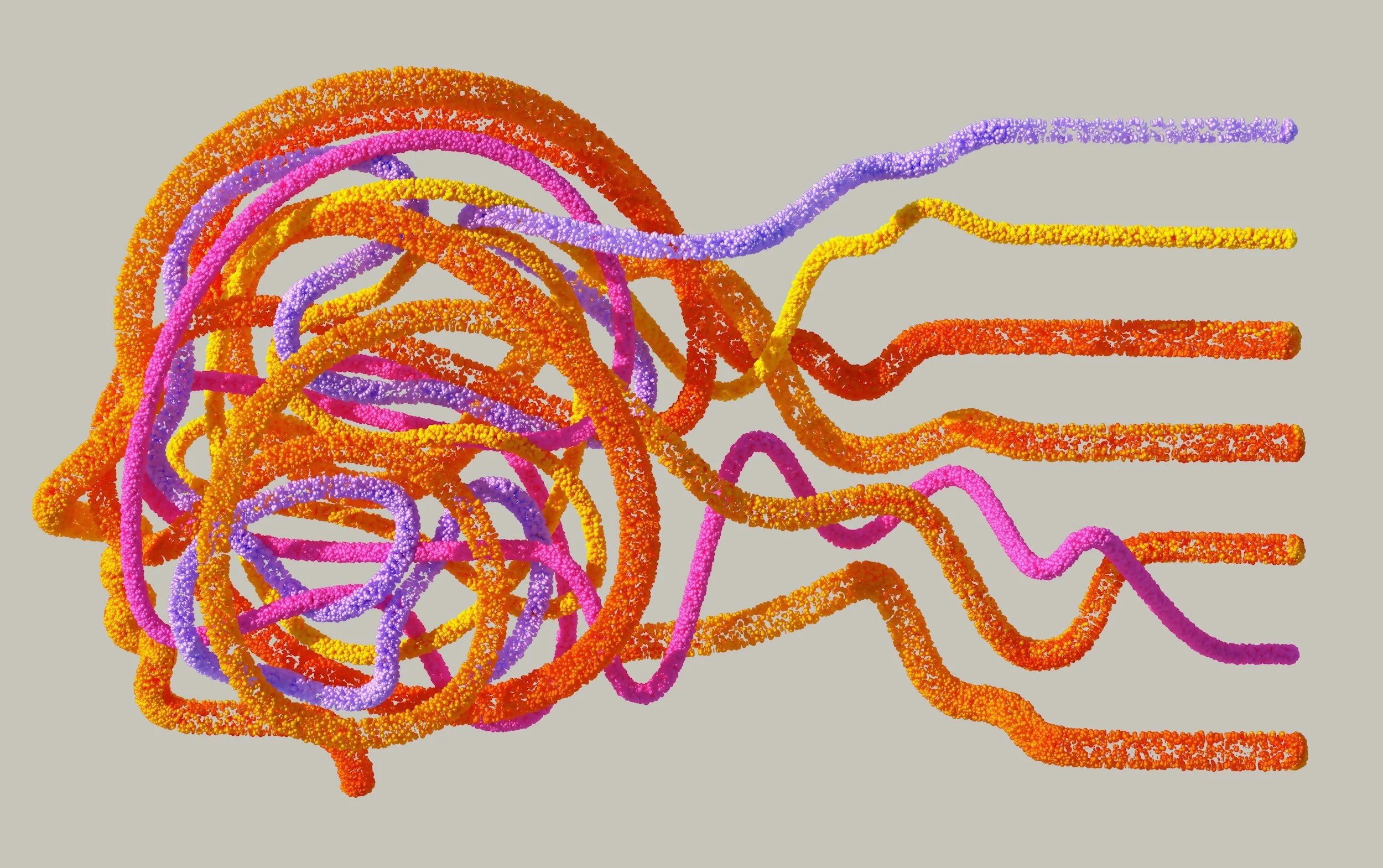

EMDR (Eye Movement Desensitization and Reprocessing) is a trauma-focused therapy that can be provided through telehealth, and I offer virtual EMDR therapy to clients located in Florida and Indiana.
I’m explaining this because EMDR is still a little mysterious to many people. You may have heard about it, seen someone moving their eyes back and forth, or wondered why a therapist would ask you to tap your knees while talking about difficult experiences.
The good news is that EMDR doesn't require you to sit in a therapist's office for it to be effective. With the right technology, preparation, and an appropriate treatment plan, EMDR can be adapted for online therapy.
So, What Exactly Is EMDR?
EMDR stands for Eye Movement Desensitization and Reprocessing. It is a psychotherapy approach that helps your brain process distressing experiences that may still feel “stuck.”
Sometimes, your brain knows something happened in the past, but your nervous system acts like it is happening right now.
You might notice things like:
Getting emotionally flooded by memories that seem like they should be “over”
Feeling triggered by situations that remind you of something from the past
Having strong reactions that don't seem to match what is happening in the moment
Avoiding certain people, places, conversations, or situations
Feeling anxious, ashamed, angry, disconnected, or overwhelmed
Knowing logically that you're safe while your body doesn't seem to have gotten the memo
EMDR uses a structured process to help you work through these experiences while using bilateral stimulation (BLS).
And no, you don't have to spend an entire session staring into the therapist's eyes through your laptop camera.
How Does Virtual EMDR Work?
During online EMDR, we use bilateral stimulation, which means stimulating both sides of the body or brain in a rhythmic pattern.
Depending on what works best for you, this may involve:
Visual stimulation: following a moving visual stimulus on your screen.
Auditory stimulation: listening to alternating sounds through headphones.
Tactile stimulation: using alternating taps on the left and right sides of the body.
Your EMDR sessions will be individualized. We will figure out which type of bilateral stimulation is comfortable, practical, and appropriate for you.
Want to Use Tappers?
Some clients like the idea of using physical EMDR tappers during virtual sessions. You may purchase your own tappers, but please talk with me before purchasing them.
There are different options available, and I want to make sure what you purchase is compatible with the way we'll be conducting your sessions. You absolutely do not have to purchase tappers to participate in virtual EMDR.
We can use visual or auditory bilateral stimulation instead.
A Quick Technology Tip
Technology doesn't always cooperate with therapy.
For the best chance of having auditory bilateral stimulation work reliably, I recommend:
Using Google Chrome
Using corded earphones/headphones, when possible
Making sure your computer's audio is working before your appointment
Finding a quiet, private space where you can focus
Corded headphones can sometimes provide a more reliable connection than Bluetooth devices, which is especially helpful when we're trying to keep alternating sounds synchronized.
What kinds of things can EMDR treat besides trauma?
Childhood trauma
Complex PTSD (C-PTSD)
Anxiety
Panic attacks
Phobias and fears
Sexual trauma
Abuse and domestic violence trauma
Military and combat trauma
Medical trauma
Car accident trauma
Grief and traumatic loss
Relationship trauma
Attachment wounds
Low self-esteem and negative self-beliefs
But Is Virtual EMDR Right for Everyone?
Not necessarily and that's okay.
Before beginning EMDR virtually, we'll complete an assessment to determine whether virtual EMDR is an appropriate and safe treatment option for you. This assessment helps us look at things such as your current symptoms, treatment goals, ability to remain emotionally regulated during sessions, your environment, your access to privacy, and whether you have the stability and resources needed for this type of work.
If virtual EMDR isn't the right fit for you right now, that doesn't mean you can't benefit from therapy. It simply means we'll find an approach that makes more sense for you and where you are right now.
EMDR isn't something I want to rush into just because it is a popular treatment. The goal is to make sure we're using the right tool at the right time.
What Happens Before We Start EMDR?
We don't jump onto telehealth on day one and immediately start digging into the hardest thing that has ever happened to you.
First, we'll get to know each other.
We'll talk about:
What brings you to therapy
What you're hoping will change
Your current symptoms and concerns
Your history and experiences
Your coping and emotional regulation skills
Whether EMDR is appropriate for your goals
Whether virtual EMDR is appropriate for you
What bilateral stimulation method feels most comfortable
How we'll help you stay grounded if difficult emotions come up
Preparation is an important part of EMDR.
Why Am I Explaining All of This?
Because a lot of people don't realize EMDR can be done virtually. When people hear “EMDR,” they often picture a therapist's office, a light bar, or someone sitting directly across from their therapist. But telehealth has opened up additional ways to access therapy, including EMDR for clients who are appropriate for virtual treatment. If you live in Florida or Indiana and are interested in exploring EMDR online, we can talk about whether it may be a good fit for you. You don't need to know whether EMDR is right for you before reaching out. That's my job. You just need to be willing to have a conversation about what you're experiencing and what you'd like to be different. And if EMDR isn't the right fit? We'll figure that out together, without making you feel like you failed therapy. Because therapy isn't about forcing yourself into a particular treatment.
It's about finding the approach that works best for you.
Ready to Talk About EMDR?
If you're curious about EMDR but aren't quite sure whether virtual EMDR is right for you, let's talk.
You can schedule a consultation to discuss your goals, ask questions, and determine whether online EMDR may be an appropriate option.
Birth trauma
Infertility and pregnancy loss
Fear of childbirth
Fear of flying
Fear of driving
Medical procedure anxiety
Dental anxiety
Workplace trauma
First responder trauma
Military sexual trauma
Traumatic breakup or divorce
Betrayal trauma
Bullying trauma
Performance anxiety
Get in Touch
Please reach out with any questions or to set up your 15 min consultation call.